
If you've ever seen a photograph of Portugal's Douro Valley, you probably remember the scenery. Rolling hills covered in terraced vineyards, a winding river cutting through the countryside, and little villages tucked into the landscape. It's beautiful, of course, but what makes this region especially interesting is how much of its history and culture revolves around the river itself.
A Douro River cruise is a little different from the European river cruises you might be more familiar with. Rather than traveling through several countries and visiting one major city after another, you're spending most of your time discovering one remarkable region of Portugal. And for travelers who enjoy good food, local wines, beautiful scenery, and a little time to slow down, that can be a very appealing way to experience Europe.
So, what should you know before booking a Douro River cruise? There are a few things that make this destination special, along with some practical details that are worth considering.
First, let's talk about the scenery
The Douro River begins in Spain and winds its way through northern Portugal before reaching the Atlantic Ocean at Porto. Along the way, it passes through one of Europe's oldest established wine regions, where vineyards have been cultivated for centuries.
The Alto Douro Wine Region is even recognized as a UNESCO World Heritage Site, and once you see the landscape, it's easy to understand why. The vineyards are planted in terraces that climb the steep hillsides, creating some pretty incredible views from the river.
One thing I particularly like about the idea of cruising the Douro is that the scenery isn't just something you pass on the way to the next destination. It's a big part of the experience itself. You'll want to spend some time on the sun deck, find a comfortable spot with a view, and simply enjoy the countryside as it passes by.
Your journey will likely begin in Porto
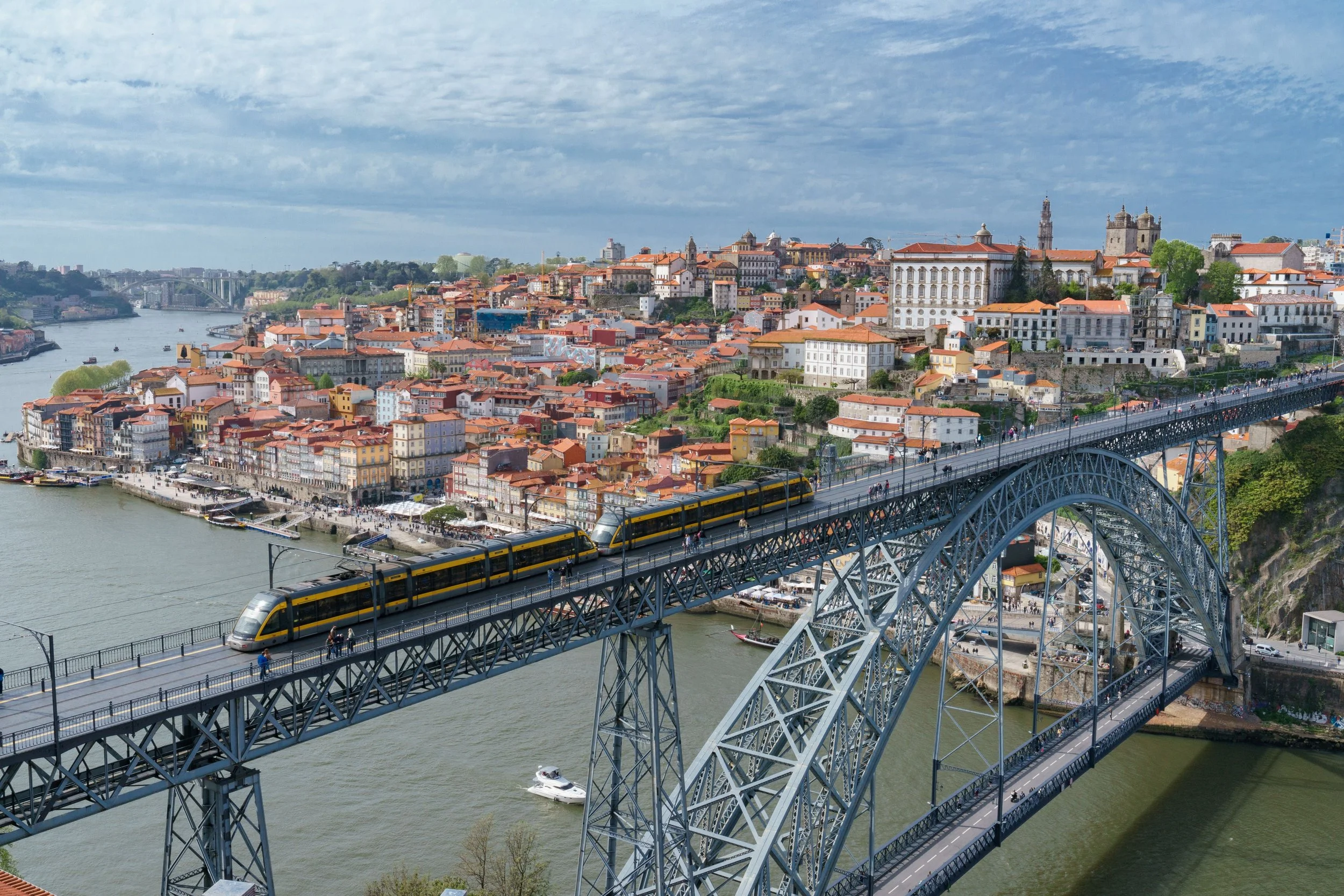
The iconic Luís I Bridge spanning the Douro River.
Porto, Portugal
Most Douro River cruises begin and end in Porto, and I would absolutely encourage you to consider spending an extra day or two there if your schedule allows.
Porto is known for its colorful riverfront buildings, beautiful tilework, historic streets, and, of course, port wine. Across the river in Vila Nova de Gaia, you'll find many of the famous wine cellars where you can learn about the region's winemaking traditions.
It's also the kind of city where you don't necessarily need an elaborate sightseeing schedule to enjoy yourself. Wandering through the Ribeira district, stopping for a leisurely lunch, or finding a café with a river view can be just as enjoyable as checking off the major attractions.
Arriving early also gives you a little breathing room after an international flight. Nobody wants to start a vacation feeling rushed, especially when you've traveled that far to get there!
There's more to the Douro than wine
Now, if you enjoy wine, you're certainly going to appreciate this destination. The Douro Valley is famous for port wine, but the region also produces excellent table wines, including some wonderful reds.
Depending on your itinerary, you may have opportunities to visit vineyards, learn about traditional winemaking, or sample regional wines right where they're produced.
But I wouldn't want anyone to think the Douro is only for wine enthusiasts. There are historic towns, beautiful churches, traditional Portuguese cuisine, and plenty of opportunities to learn about the region's culture.
You may see destinations such as Régua and Pinhão on your itinerary, and some cruises include an excursion into Spain to visit Salamanca.
One detail worth mentioning is that not every excursion begins right where your ship docks. Some destinations require a motorcoach ride, occasionally a fairly lengthy one. That's not unusual in river cruising, but it's something I like travelers to know ahead of time so there aren't any surprises.
How does it compare to the Rhine or Danube?
This is where choosing the right river becomes important, because each one offers a different kind of experience.
If you're dreaming of medieval castles, charming German towns, and a route that may take you through several countries, the Rhine might be a wonderful fit. If grand European cities like Vienna and Budapest are high on your wish list, you'll probably want to explore the Danube.
The Douro has a different personality. It's more about the countryside, regional traditions, and getting to know one particular part of Europe.
There's another interesting difference, too. Douro River ships generally navigate during daylight hours and remain docked overnight. That means you can enjoy much of the beautiful scenery while you're awake rather than wondering what you missed during the night.
Of course, exact sailing schedules and port times depend on the itinerary, so those are details we'll want to compare when choosing a cruise.
When should you visit Portugal's Douro Valley?
Douro River cruises typically operate from spring through autumn, and each season has something different to offer.
Spring brings greener hillsides and generally pleasant sightseeing weather, although you should still be prepared for occasional rain. Summer offers plenty of sunshine, but inland Portugal can get quite hot, especially during afternoon excursions.
Personally, I think autumn is an especially interesting season to consider because of the region's wine traditions. Depending on the weather and the timing of the harvest, you may get to experience the vineyards during one of their busiest and most important times of year.
Just remember that harvest dates aren't guaranteed, and not every cruise includes a harvest-related experience. If that's something you're particularly interested in, it's worth looking for an itinerary that specifically features it.
Choosing the right cruise line matters here, too
Several river cruise companies offer Douro itineraries, including AmaWaterways, Avalon Waterways, and Viking. While the destination may be similar, the ships, excursions, accommodations, and inclusions can be quite different.
And here's something that sometimes surprises travelers: just because you've sailed with a particular cruise line on the Rhine or Danube doesn't mean its Douro experience will be identical.
Ships operating on the Douro are designed around the river's navigation requirements, so you may notice differences in cabin layouts, balcony options, and onboard amenities.
This is also where I encourage people to look beyond the advertised price. What's included in your fare? Are gratuities covered? What about beverages, excursions, and transfers? Does the itinerary include time in Porto, or would you need to arrange additional hotel nights?
Those details can make a real difference in both your experience and your overall vacation budget.
Is a Douro River cruise right for you?
I think the Douro is particularly appealing to travelers who appreciate beautiful scenery, good food and wine, and experiencing a destination beyond its most famous tourist attractions.
It's probably not the first river I'd recommend to someone whose main goal is visiting as many European countries or major cities as possible. But if you'd love to spend a week exploring Portugal's countryside, learning about its traditions, and enjoying the scenery along the way, it's certainly worth considering.
And that's one of the things I enjoy about river cruising. There's no single itinerary that's perfect for everyone. The fun is finding the one that matches the way you like to travel.
Thinking about a river cruise through Portugal? At The River Cruise Reserve, I can help you compare cruise lines, itineraries, and all those little details that aren't always obvious when you're browsing online. I'd love to help you find a journey that feels like the right fit.
