
There's something wonderfully appealing about exploring Europe by river. One morning, you might wake up near a centuries-old town. Another afternoon, you could be watching vineyards and castles pass by as your ship travels toward its next destination.
And perhaps the best part? You unpack your suitcase once.
If you've never taken a river cruise, though, it's natural to have questions. How does it compare with an ocean cruise? Are excursions included? Will you have enough free time? And how do you decide which river to explore first?
Here are nine things I encourage travelers to understand before booking their first European river cruise.
1. River Cruising Is About the Destinations
Unlike large ocean ships, river cruise vessels are relatively small and designed to navigate Europe's inland waterways. You'll generally find comfortable lounges, inviting dining spaces, and outdoor areas for enjoying the scenery. What you usually won't find are sprawling entertainment venues, casinos, or endless onboard activities.
That's because the destinations are the main attraction.
River cruising is especially appealing to travelers who want to explore historic cities, charming villages, regional food, and local culture without repeatedly changing hotels.
2. Choosing the Right River Matters
Not all European river cruises offer the same experience.
The Rhine River is known for its castle-lined landscapes, vineyard-covered hillsides, and historic towns. It's a wonderful introduction for travelers who enjoy scenic cruising and traditional European architecture.
The Danube River offers an appealing blend of grand cities, cultural landmarks, and beautiful countryside. Depending on the itinerary, you might visit Vienna, Budapest, or smaller riverside communities.
The Rhône River appeals to travelers interested in French cuisine, wine regions, and the cultural traditions of southern France.
And Portugal's Douro River is particularly attractive for those who love dramatic vineyard scenery and regional wines.
Rather than asking which river is best, think about what you most want to experience.
3. The Cruise Line Can Change the Experience
River cruise lines may visit similar destinations, but their onboard styles and included experiences can differ. Some emphasize active excursions, including guided cycling or hiking. Others focus on cultural enrichment, culinary experiences, or a more all-inclusive approach. Cabin layouts, dining arrangements, beverage inclusions, and gratuity policies also vary.
That's why I recommend comparing more than the itinerary and starting price. The right cruise line should complement the way you prefer to travel.
4. Your Cabin Choice Deserves Some Thought
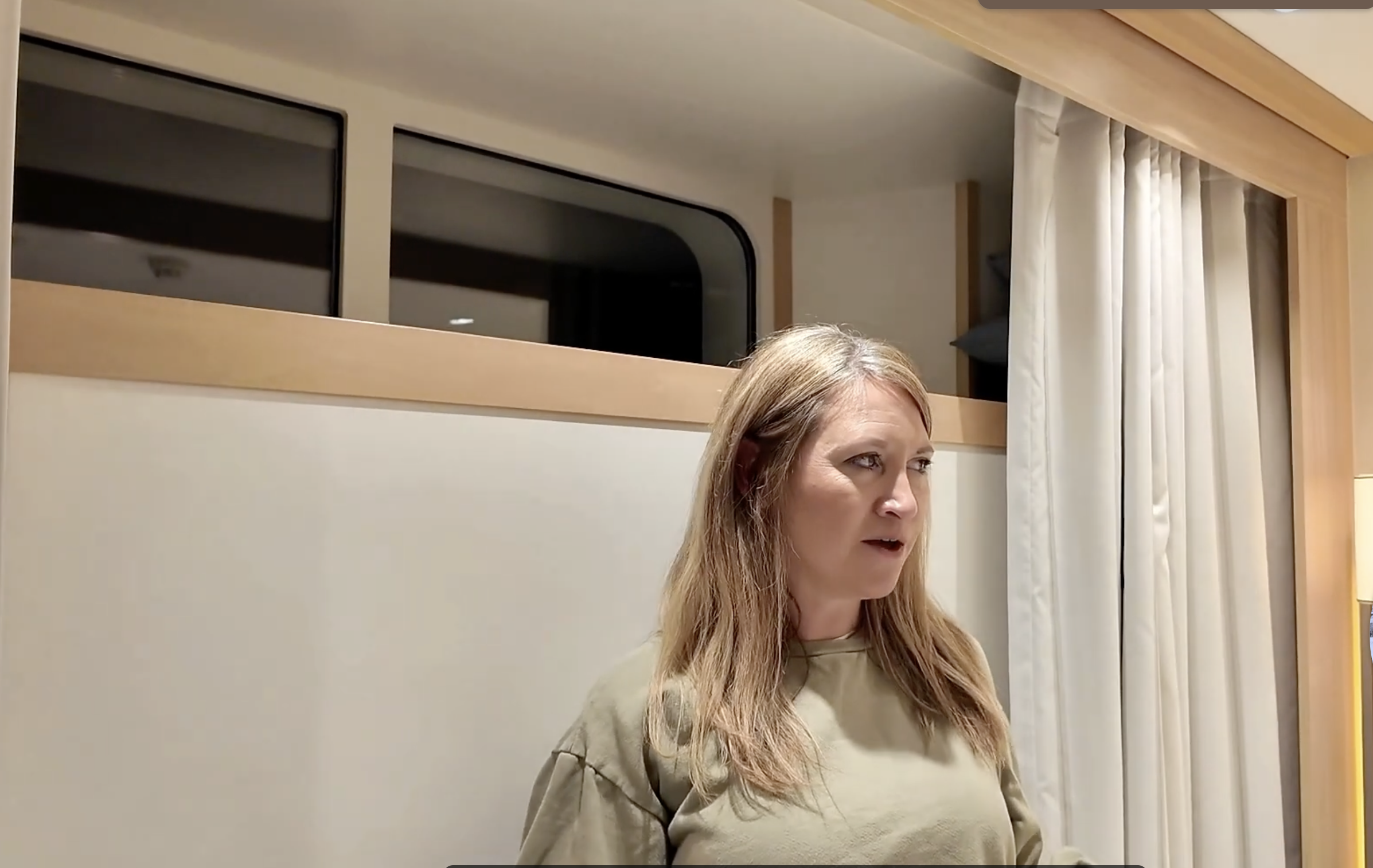
You'll encounter several cabin categories when researching river cruises.
River View room
You'll encounter several cabin categories when researching river cruises.
Lower-deck cabins often feature smaller fixed windows, while French balconies typically offer large glass doors that open without a separate outdoor seating area. Some ships also offer traditional outside balconies, panoramic opening windows, or spacious suites.
Here's something many first-time travelers overlook: river cruise ships generally have inviting shared spaces where you can enjoy the scenery.
If you're planning to spend most of your time exploring ashore, you might be perfectly happy with a more modest cabin. On the other hand, if relaxing privately while watching the river is important to you, an upgraded accommodation may be worthwhile.
5. Excursions Are Often Included, but Read the Details
One of the conveniences of river cruising is that guided shore excursions are commonly included in the fare. These might be walking tours, visits to historic landmarks, or introductions to local traditions. However, not every excursion is necessarily included. Some lines offer optional experiences at an additional cost, and the number of available choices can vary by itinerary.
It's also worth reviewing activity levels.
European towns often have cobblestone streets, uneven surfaces, and stairs. If mobility or walking pace is a consideration, understanding excursion descriptions before booking can make a meaningful difference.
6. You'll Often Have Opportunities to Explore Independently
One of my favorite things about the idea of river cruising is the balance between guided discovery and time to explore on your own. After a morning excursion, you may have the opportunity to wander through a market, stop for coffee, visit a museum, or simply enjoy the atmosphere of a town.
But here's an important detail: time in port varies considerably.
Some ships remain docked into the evening or overnight, while others depart earlier to reach the next destination If leisurely afternoons or evenings ashore are important to you, look carefully at the itinerary rather than assuming every sailing offers the same amount of free time.
7. River Levels Can Affect Your Itinerary
This is something I always want first-time river cruisers to understand. River cruising depends on navigable waterways, and both unusually high and low water levels can affect sailing conditions. When necessary, cruise lines may adjust their schedules, arrange transportation between destinations, or make other operational changes.
These disruptions aren't guaranteed to happen, and many cruises proceed as planned. Still, flexibility is part of traveling on a river. It's one reason I encourage travelers to consider appropriate travel insurance and understand their cruise line's policies.
8. Think About the Season, Not Just the Destination
Europe looks and feels different throughout the river cruising season.
Spring can bring flowering landscapes and pleasant sightseeing conditions, although temperatures and rainfall vary.
Summer often offers longer daylight hours and lively outdoor settings, along with warmer weather and more visitors in popular destinations.
Autumn brings changing foliage, harvest traditions, and opportunities to explore wine regions.
And late November through December is particularly appealing for travelers dreaming of European Christmas markets, where itineraries and market opening dates align.
There's no single perfect season. The best choice depends on the experiences you're hoping to enjoy.
9. Compare the Total Experience, Not Just the Price
It's tempting to begin your search by sorting cruises from least to most expensive. But the lowest advertised fare doesn't always represent the best overall value.
Consider what's included: beverages, gratuities, excursions, Wi-Fi, transfers, and any special dining experiences.
You'll also want to account for airfare, pre- or post-cruise hotel stays, travel insurance, and optional activities. Sometimes paying more upfront means fewer additional expenses. Other times, a simpler fare is perfectly appropriate.
The goal isn't necessarily to find the cheapest cruise. It's to find the experience that feels worth the investment to you.
A Thoughtful First River Cruise Begins With the Right Questions
Your first river cruise should feel exciting, not overwhelming.
Whether you're dreaming of castles along the Rhine, the cultural treasures of the Danube, or leisurely afternoons in France, a little thoughtful planning can make all the difference.
At The River Cruise Reserve, I help travelers compare cruise lines, destinations, accommodations, and inclusions so they can make informed choices without spending countless hours sorting through the details themselves.
Considering your first European river cruise? I'd love to help you explore the possibilities. Visit The River Cruise Reserve to begin planning your journey.
